
Frequently Asked Questions (FAQ)
What is Thermolon™?
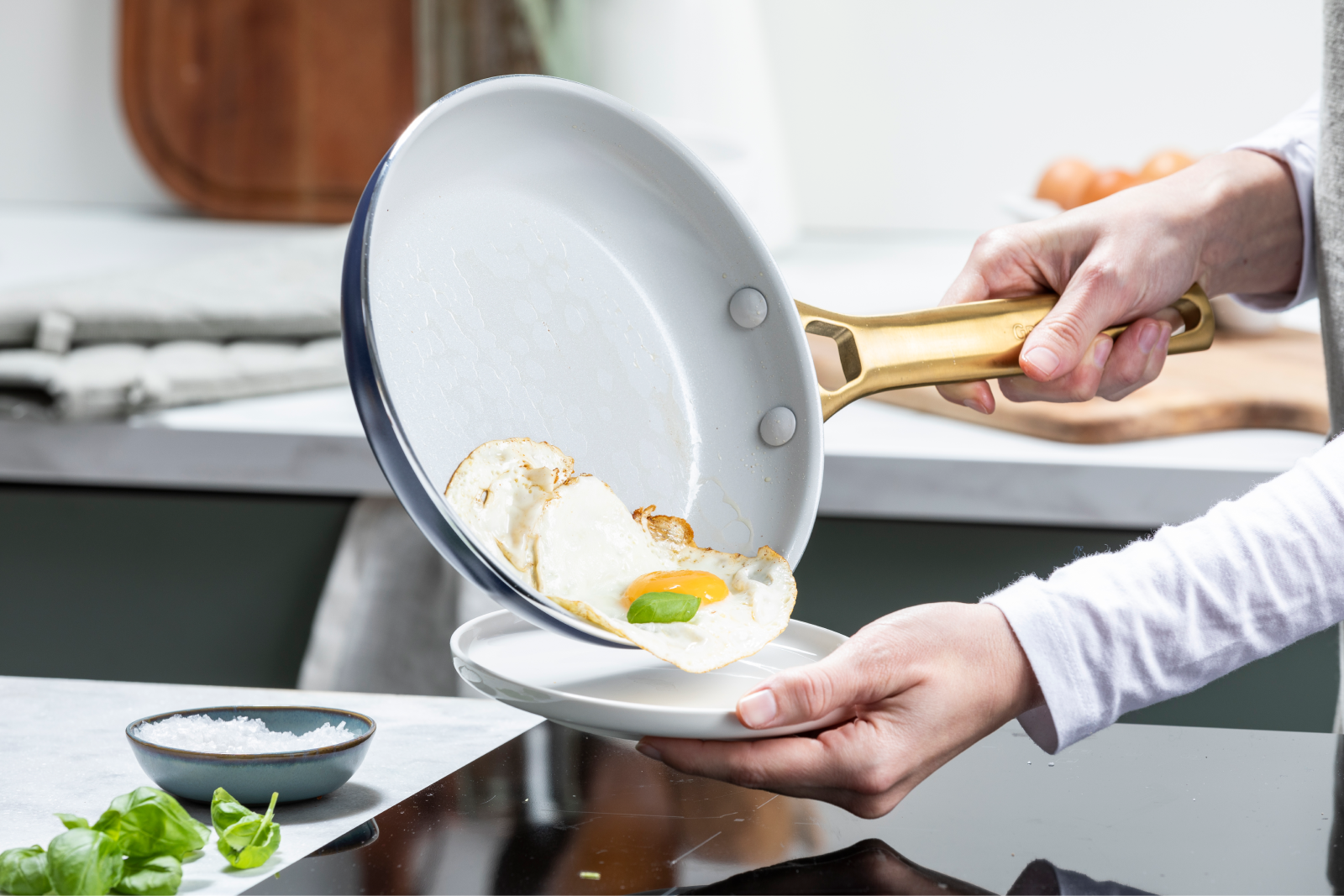
Thermolon™ is the world's first and best ceramic anti-stick coating. All GreenPan products use this revolutionary coating. We have created seven generations of Thermolon™. Each generation is manufactured without permanent chemicals and plastics like PFAS and PFOA, and without lead or cadmium. It starts with silicone (not to be confused with silicone), which is extracted from sand and converted into a sprayable solution that is cured onto the pot in the oven. The curing phase of our pots releases 60% less carbon dioxide than the curing phase of traditional anti-stick pots.
How safe is Thermolon™?
There are no permanent chemicals in our pots, which means they won't release toxic fumes even if you accidentally overheat your pot. Thermolon™ can withstand temperatures up to 850°F/450°C, something traditional nonstick pans cannot safely do. Thermolon™ has been certified by third-party testing laboratories to comply with international food contact standards set by the United States Food and Drug Administration (USFDA) and the German LFGB. In addition, the coating is certified by the Swiss government and KTR (Korean Laboratory Accreditation Agency) as meeting their standards. We are proud to say that GreenPan is the first ceramic non-stick pan on the market. As innovators, we will continue to create dynamic kitchenware for consumers around the world.
How is your ceramic nonstick coating made?
The process starts with a derivative of sand, which we turn into a solution and spray on the pot without the use of plastics, glues and additives. We've removed the toxins - PFAS, PFOA, lead and cadmium - so you can cook with confidence.
Is your coating PTFE?
No, we don't need plastic. Our Thermolon™ coating is made from sand.
Does Thermolon™ heat faster than other coatings?
Thermolon™ ceramic nonstick coating is a better conductor of heat than traditional nonstick coatings. We recommend cooking at a lower heat than a traditional nonstick pan. This prevents food from burning.
Are your pans really green?
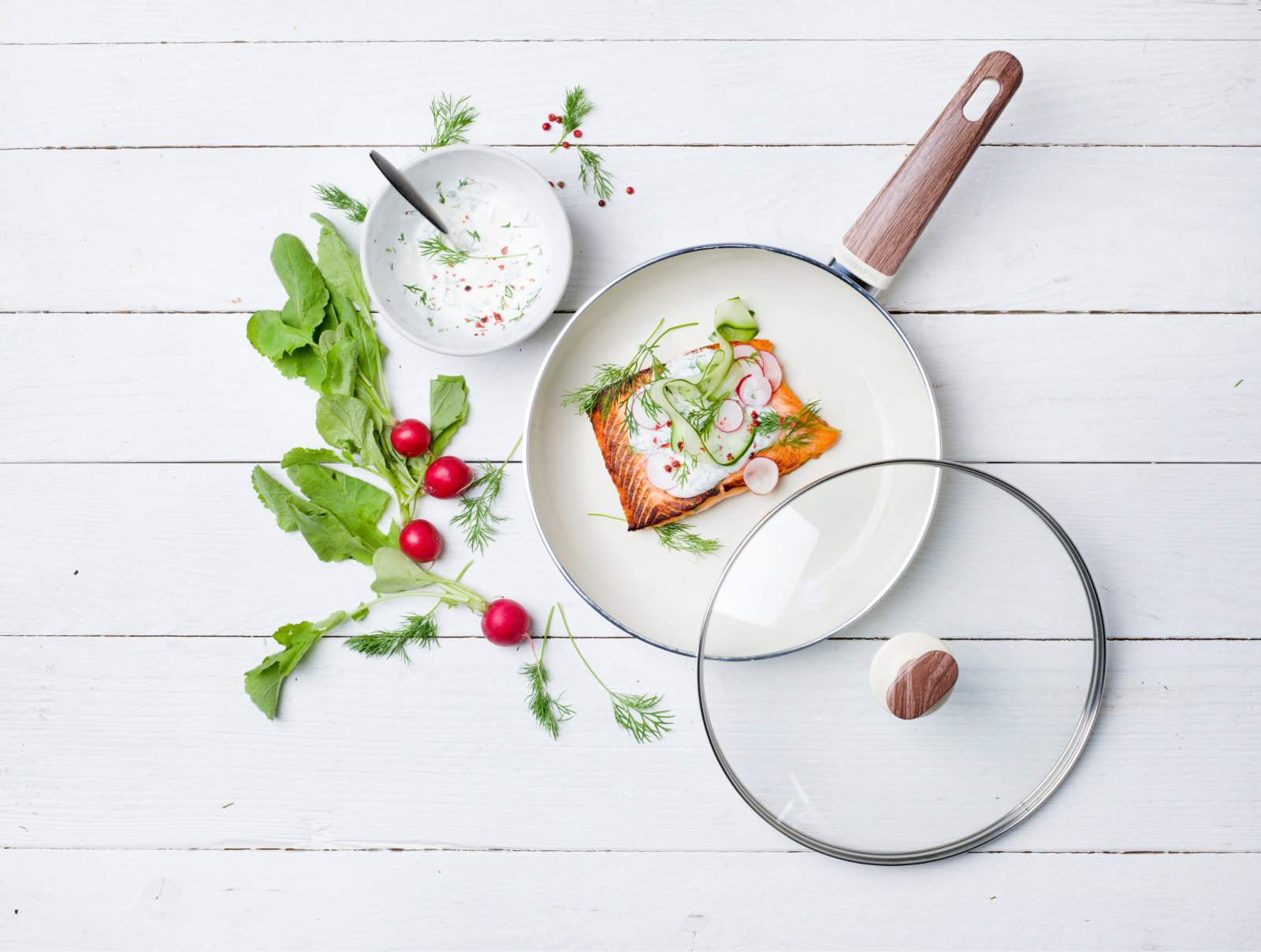
Our pots are made from recycled aluminum and the coating is PFAS, PFOA, lead and cadmium free so you can use them with confidence. Our coating curing process also reduces CO2 emissions by 60% compared to the curing stage of traditional non-stick coatings. Our factory generates 30% of its electricity from solar panels on the roof and has its own wastewater treatment plant to keep the water clean.
Are your pans safe for pets?
Yes. Our healthy ceramic nonstick coating does not release toxic fumes like traditional coatings. Your pet can watch you cook with confidence.
What are these pans made of?
This depends on the product line. GreenPan uses a variety of materials, including hard-anodized aluminum and triple-layer stainless steel. Each of our product pages details the construction of the pot.
Where are GreenPan products made?
GreenPan's products are manufactured in our own facilities outside of Hong Kong, China. Unlike most kitchenware companies, we have our own factory, and we carefully control the entire process. We have won many awards for environmental safety, worker satisfaction and overall standards. Our factory has its own wastewater treatment plant and 30% of its energy comes from solar panels on the roof. We also have our own in-house R&D team dedicated to the next step in healthier, better cooking techniques.
How should I care for my cookware?
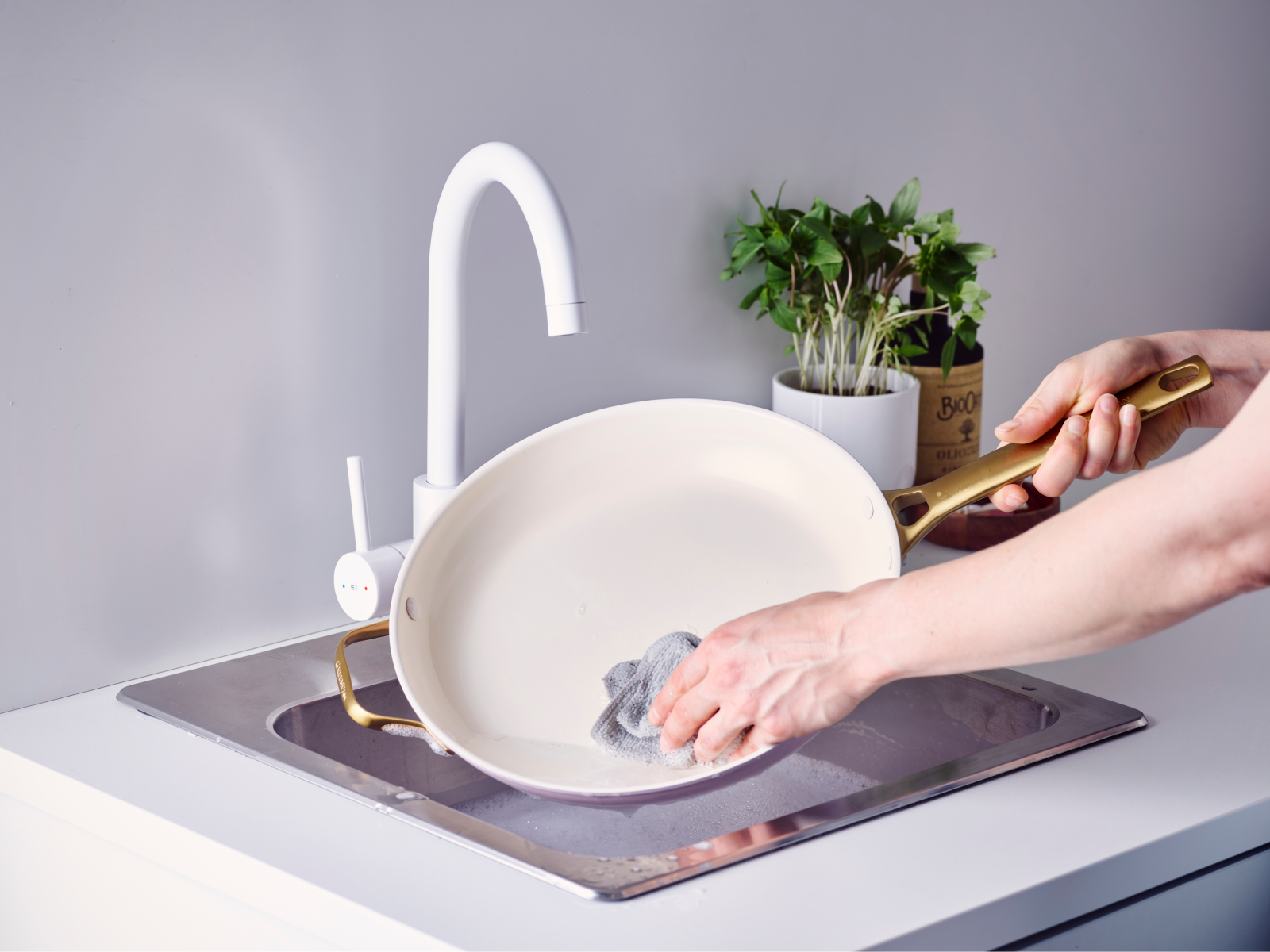
For best performance, use low to medium heat, silicone and wooden utensils, and oil or butter. To clean, use a mild sponge and warm water with soap. Allow to cool and store safely before washing.
Can I use metal utensils?
While our coatings are strong enough to work with metal utensils, using nylon, bamboo, silicone, and wooden utensils will protect your pot coatings and keep them looking like new longer.
Are your pans dishwasher safe?
Most ranges are dishwasher safe, but hand washing is recommended to extend the life of the coating. Please check the care advice on the packaging or on the page of the range you purchased.
My pan's surface is scratched, is that a problem?
Scratches, dents, or holes in the pot's coating will not affect the pot's safety or performance.
How can I deep clean my pan?
Inside the pot: Fill the pot halfway with water and heat until nearly boiling for about 2 minutes. Pour out the water and place the pot on a sturdy surface, such as a wooden cutting board. Carefully use a recovery sponge (melamine) on a warm surface and this should do the trick.
For the outside of the pot: Mix baking soda with a little water to form a paste. Use a rag or soft-bristled brush to rub the paste on the stain, then rinse with white vinegar.
Should I use oils?
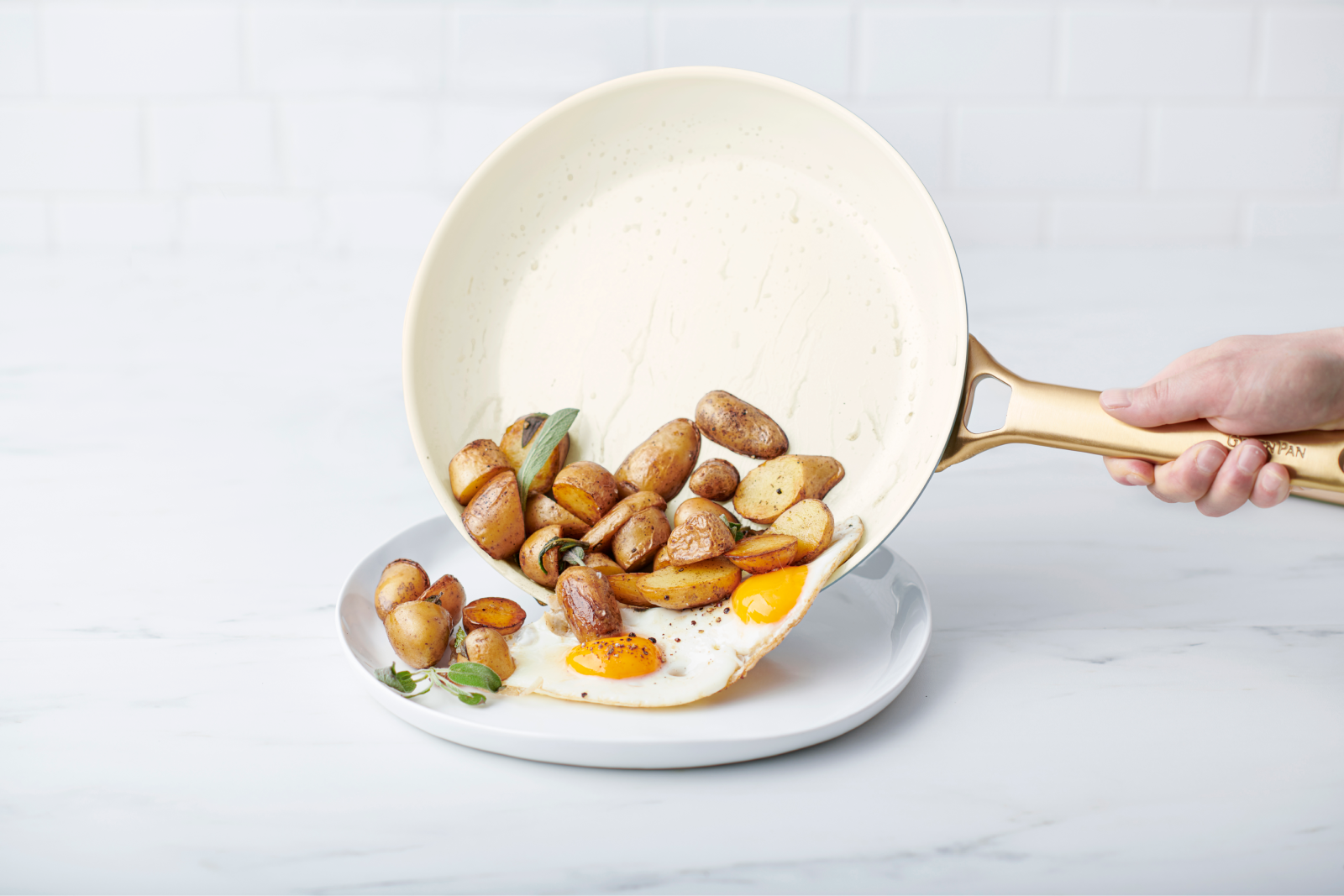
Of course, it tastes better this way after all. It also helps dissipate heat evenly. But keep in mind that some fats will burn at lower temperatures, and burnt oil can make the pan sticky. Technically, you can skip frying, but we don't recommend it. For high-temperature frying, we recommend using oils with a high smoke point (such as peanut oil, avocado oil, grapeseed oil, etc.). Avoid spray-based oils, though, as they can burn easily and contain spray agents that can damage the nonstick coating. We recommend cooking over low to medium heat so you avoid burning the oil and making the pan sticky.
What type of oil should I use?
Oils with a high smoke point are best. Avocado oil, canola oil, and grapeseed oil are all good examples. Extra virgin olive oil burns easily and is not recommended. We recommend paying attention to the temperature when using oil. Burnt oil will form a layer of sticky carbide on the pan, causing the non-stick effect to diminish. For information on carbide, see our care and use page. We recommend avoiding aerosol-based oils, including aerosol cans, sprays, and pump sprayers. Small spray particles heat quickly and carbonize easily on nonstick surfaces, and many products contain spray agents that can damage your pan's nonstick coating. This leaves a layer of substance on the coating that affects the non-stick effect of the pan.
What do I do with burnt on oils?
If your pan is too hot, the oil will burn and form sticky spots on the pan. But don't worry, you can remove them with a melamine sponge and a little water. To completely avoid oil scorching, you should cook over low to medium heat and use an oil with a high smoke point, such as avocado, canola, or grapeseed.
What stovetops can I use my pans on?
Many of our collections are induction compatible. All stainless steel collections are, as well as any collection with our Magneto induction base, which is specially designed for optimized performance on all stovetops. Check our product pages from specific product features and compatibilities.
Is GreenPan induction compatible?
Many of our collections are induction compatible. All stainless steel collections are, as well as any collection with our Magneto induction base, which is specially designed for optimized performance on all stovetops. Check our product pages from specific product features and compatibilities.
Can I put my pan in the oven?
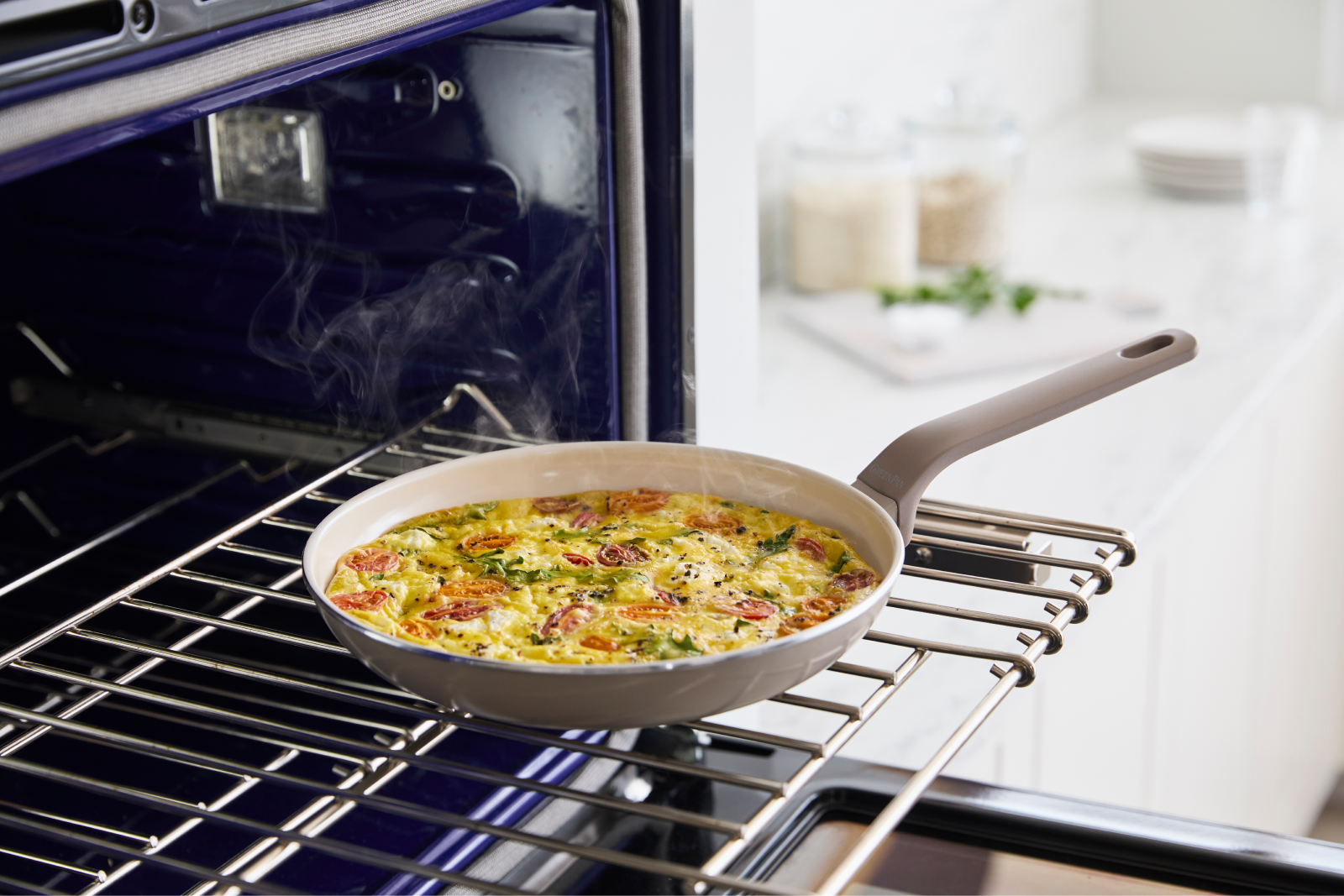
Yes, ceramic non-stick pans can be placed in the oven. Please refer to your packaging or range product page for specific temperature limits. If you are unsure, please contact us.


